The Argument
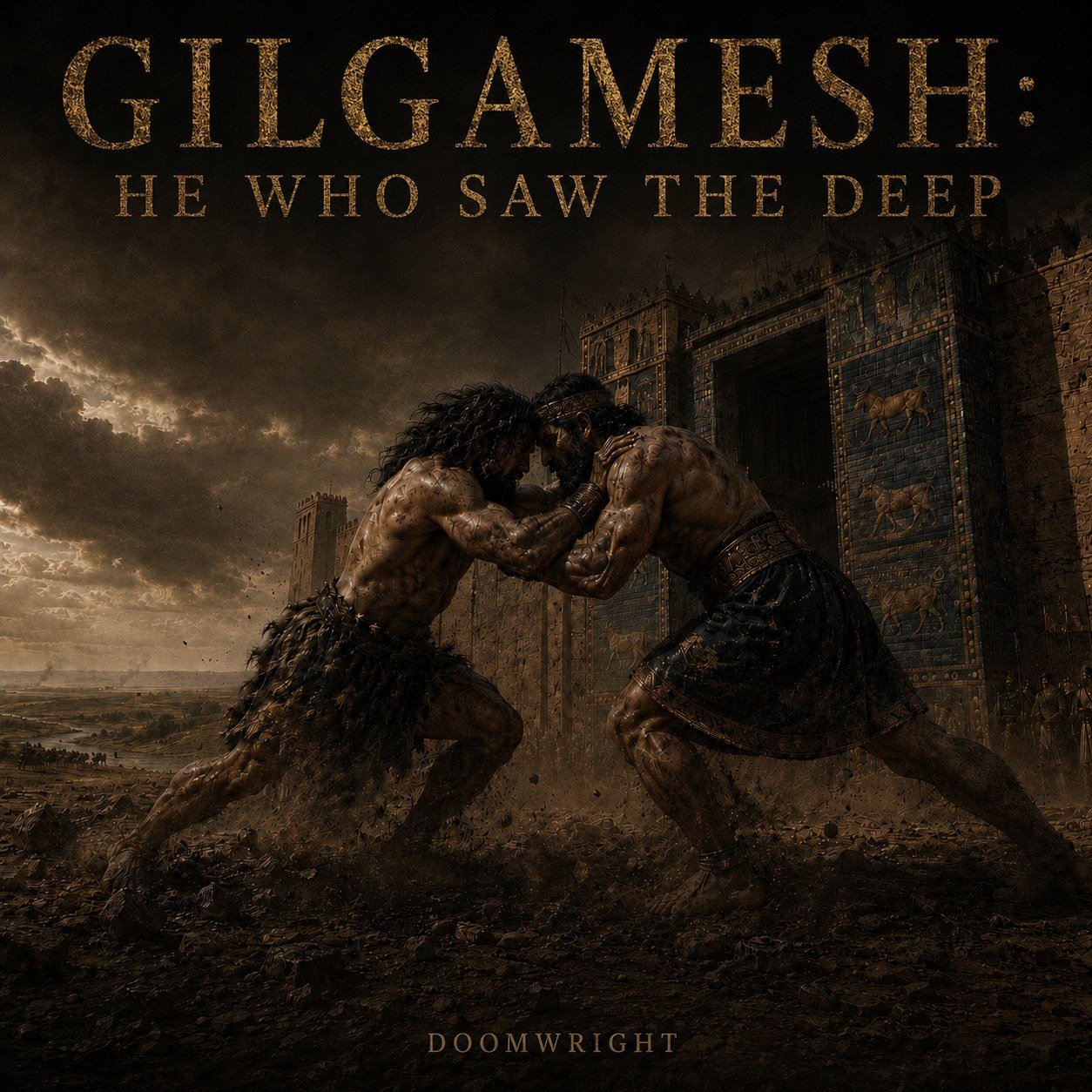
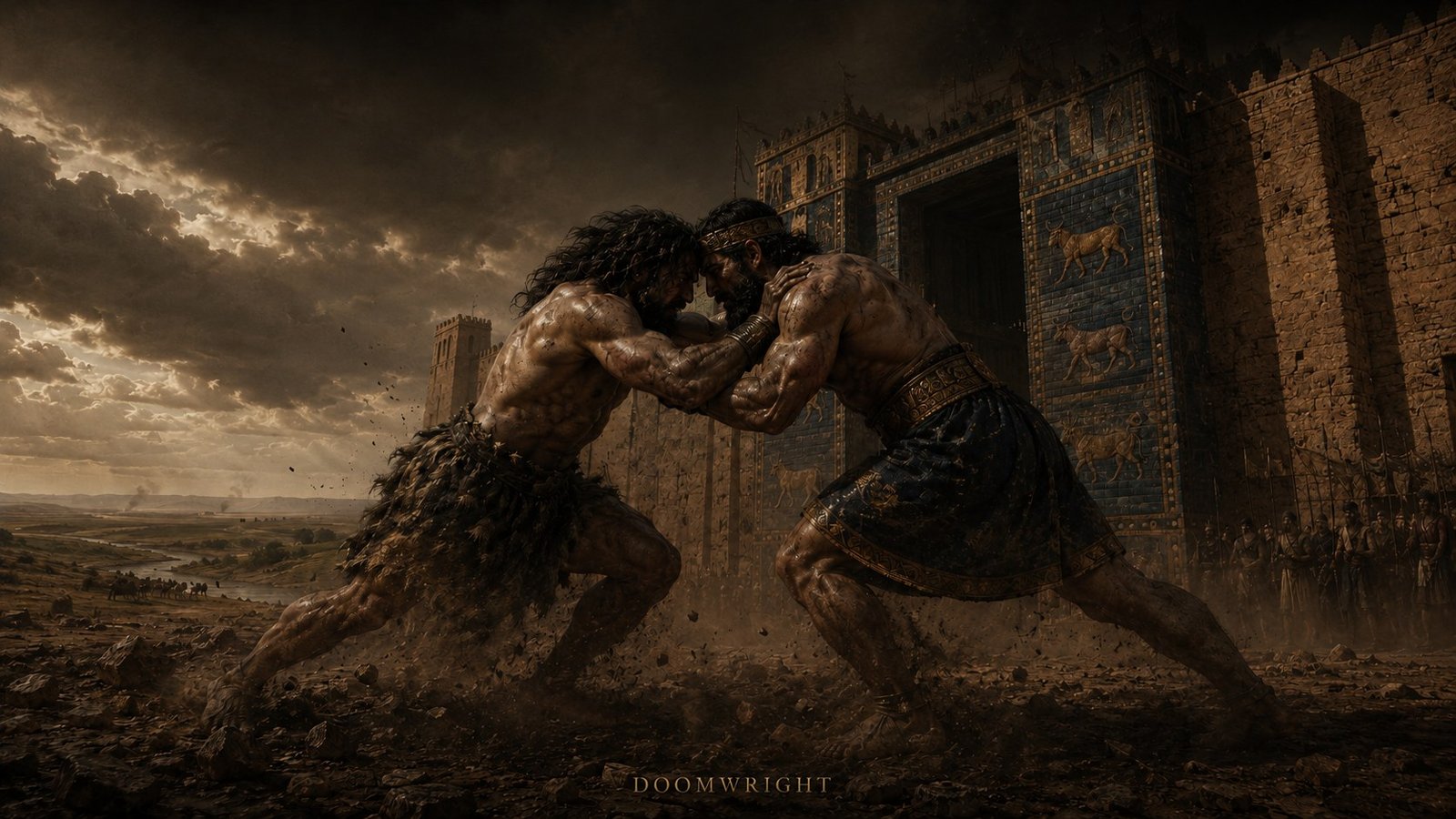
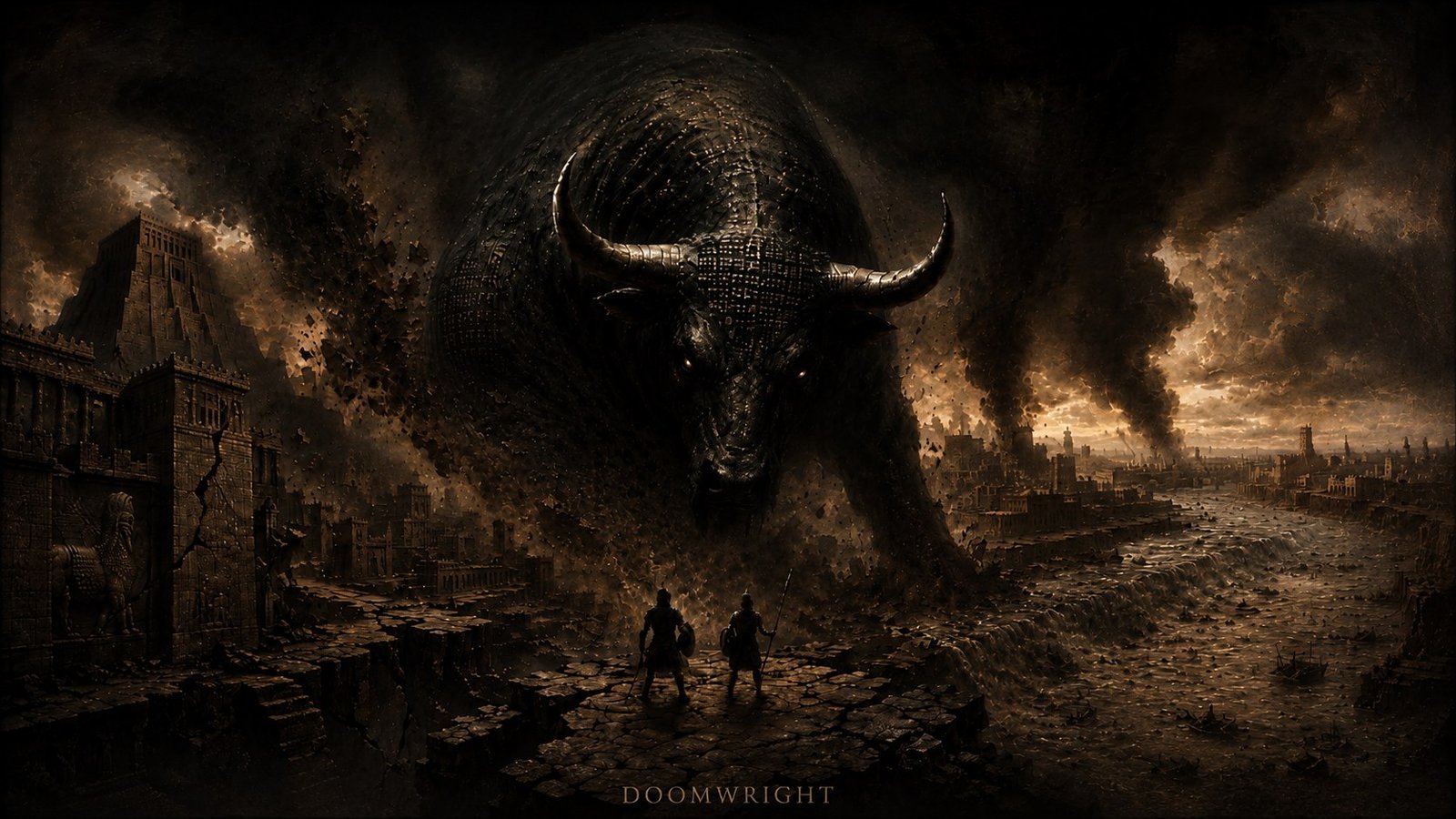
Gilgamesh is a king who believes walls, bodies and names can be mastered by force — until the gods raise Enkidu from the clay as his equal. Their collision becomes friendship, and together they enter the Cedar Forest, kill its guardian, and bring down the Bull of Heaven.
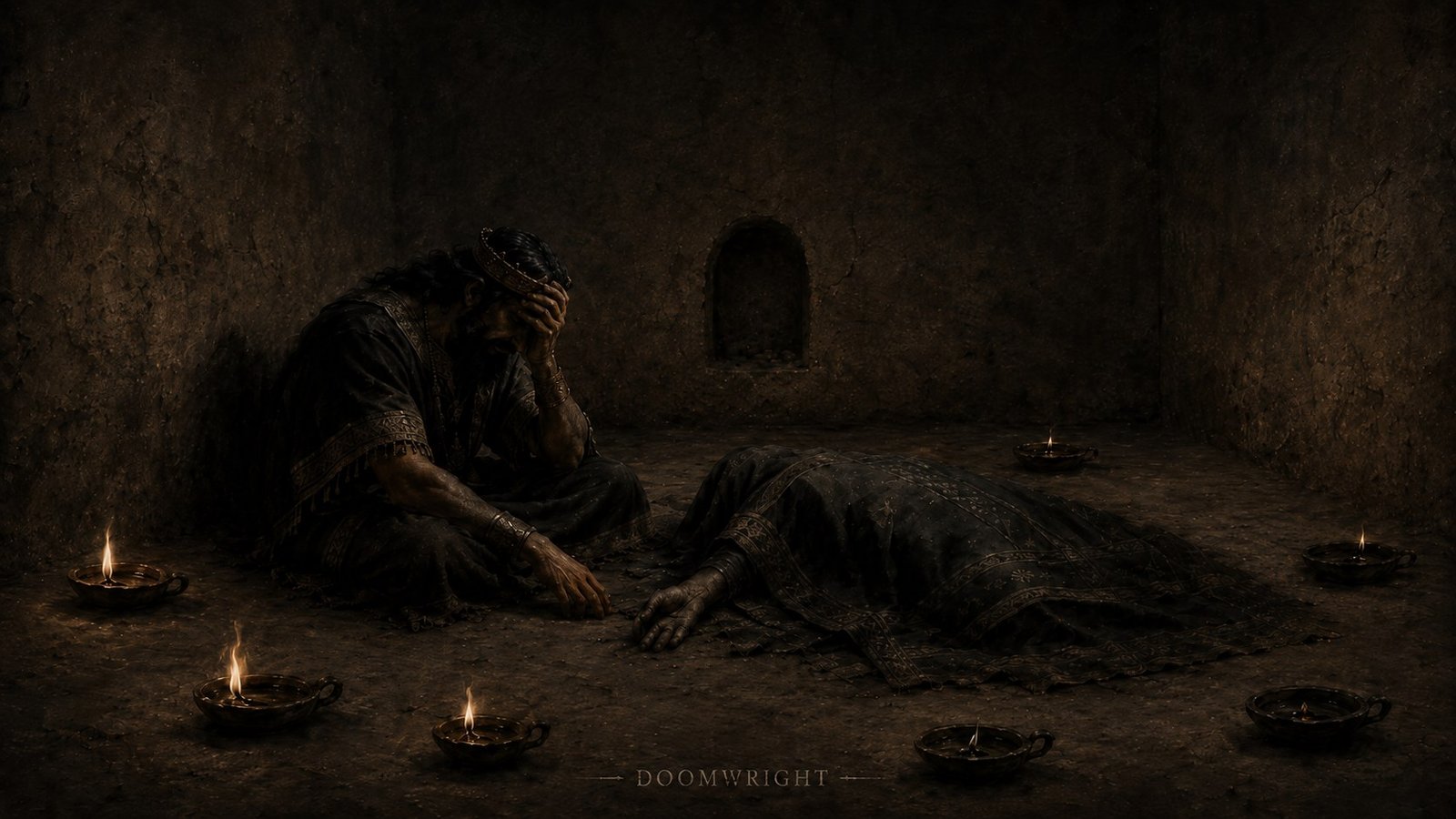
The victories make their names greater, and write the sentence that takes Enkidu. At the deathbed the record turns: conquest becomes grief. Gilgamesh keeps the body beside him for seven days and nights, because to bury it would make death final.
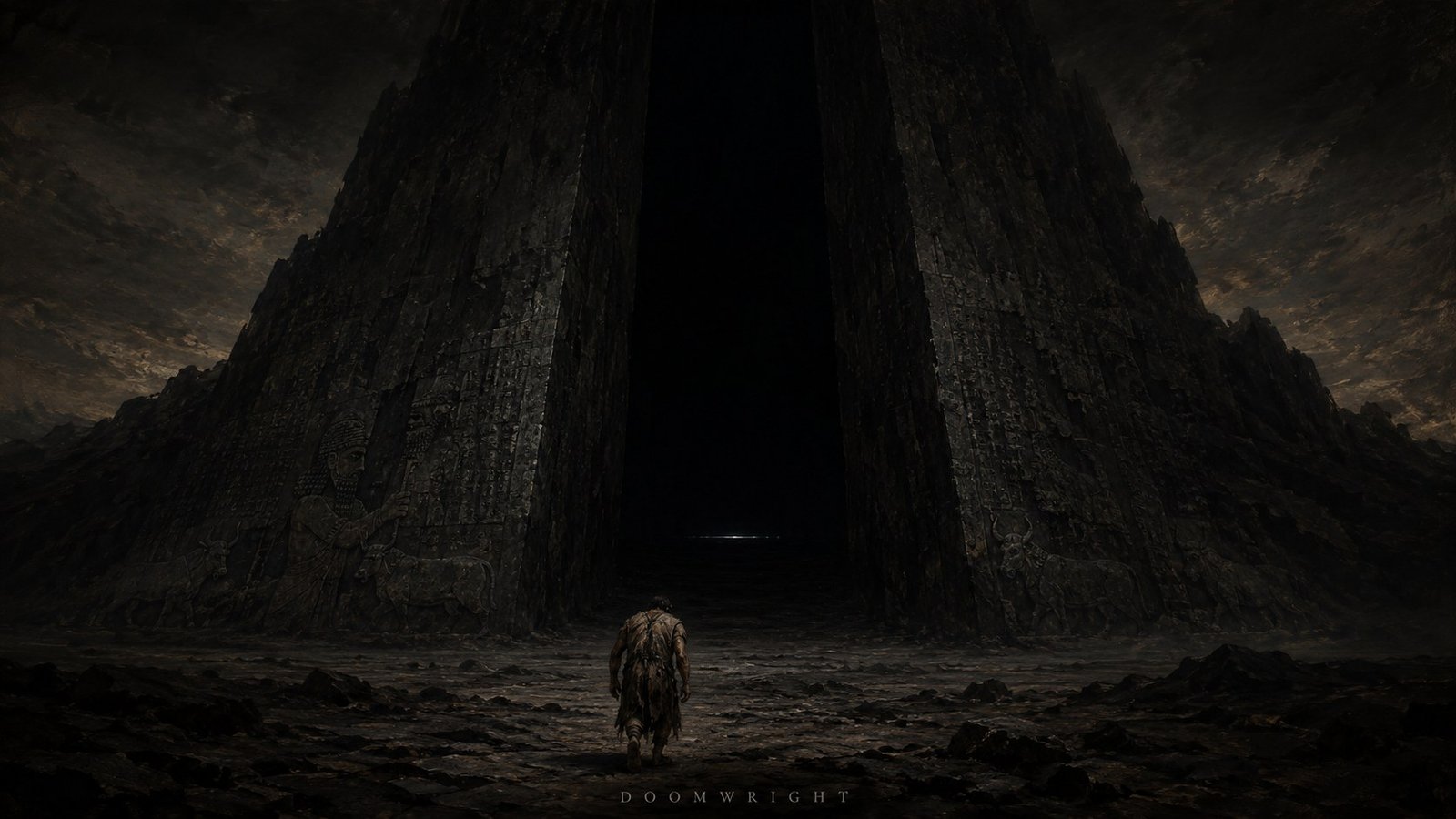
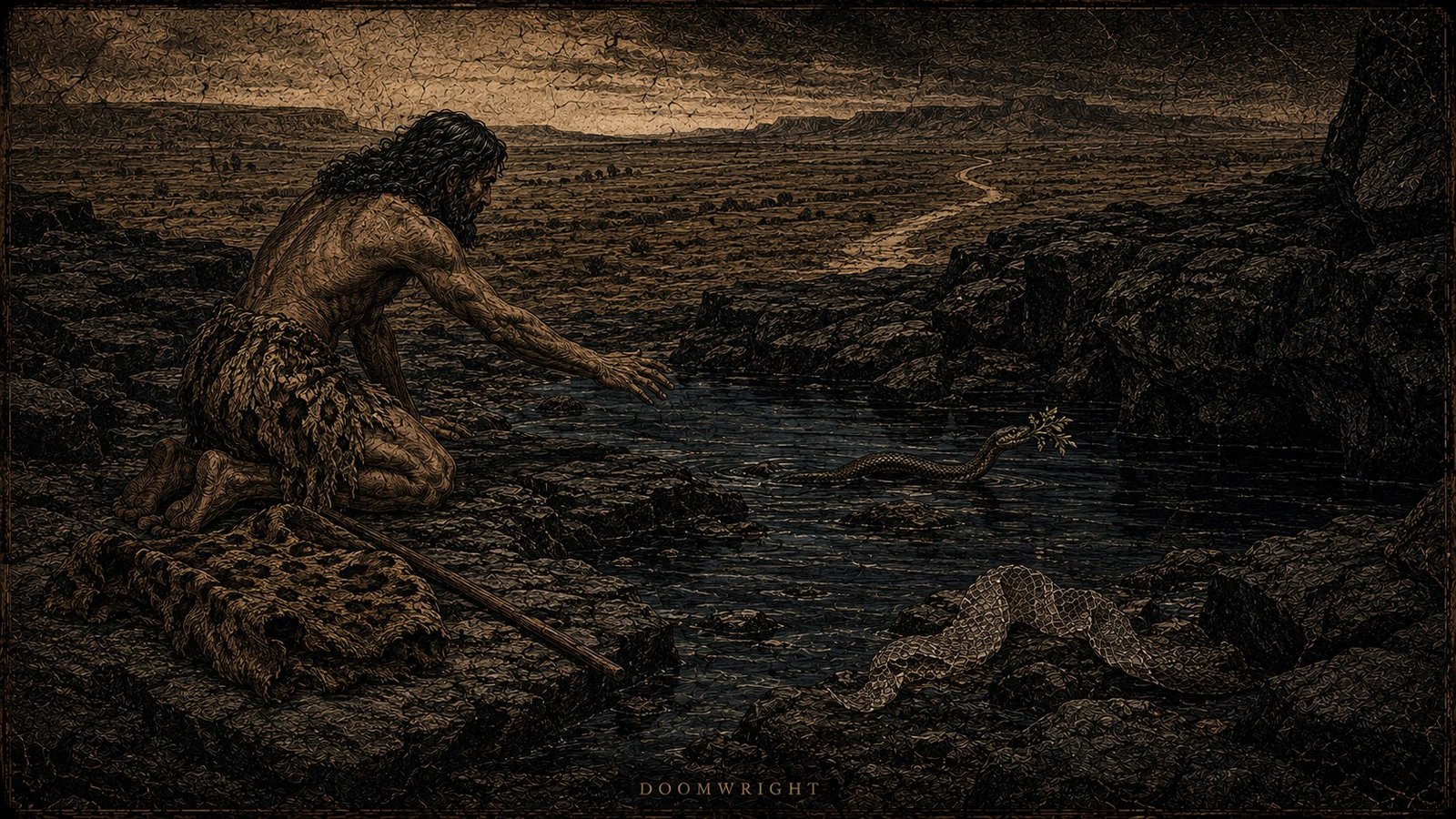
He leaves Uruk in skins and crosses the mountain of the sun, passes through twelve leagues of absolute dark, reaches the survivor of the Flood, fails the test of sleep, wins a plant of renewal from the seabed — and loses it to a serpent while he rests.
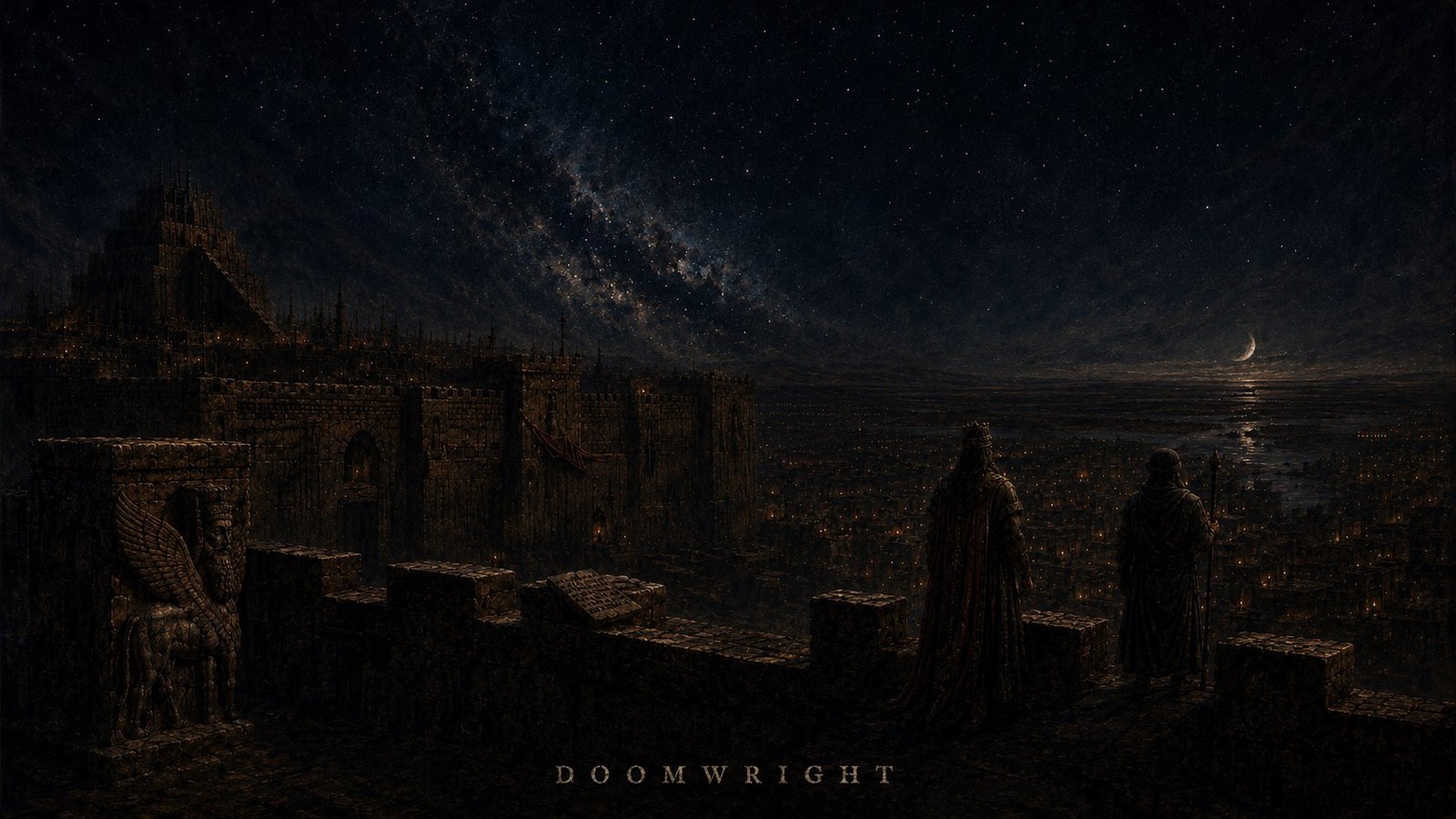
He returns without immortality. What remains is not victory but transmission: the walls, the tablet, the story set down where the rain cannot reach.
Ša naqba īmuru — he who saw the Deep. Not the man who conquered dying, but the man who built against the ending, and did not make it keep.