The Argument
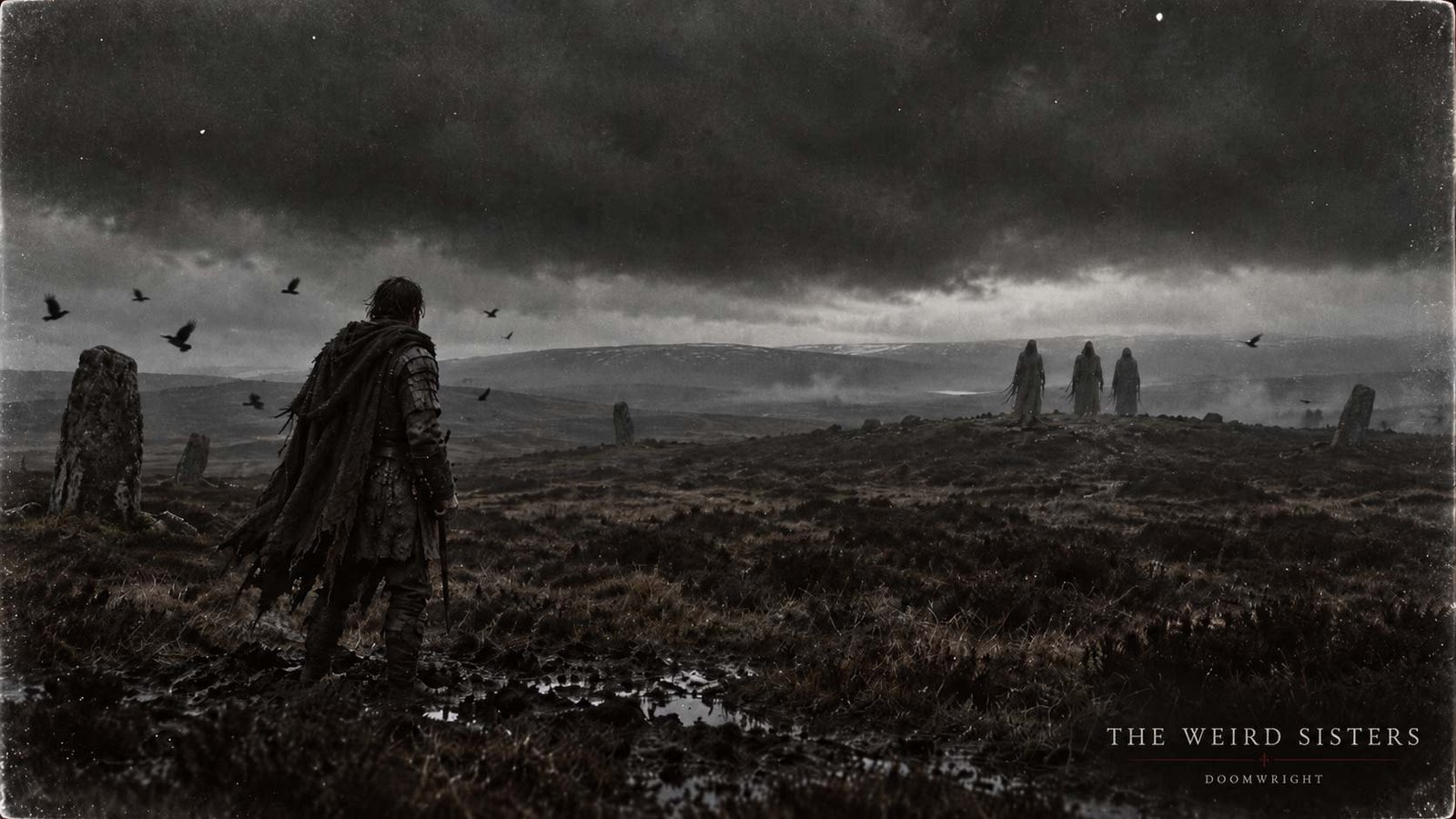
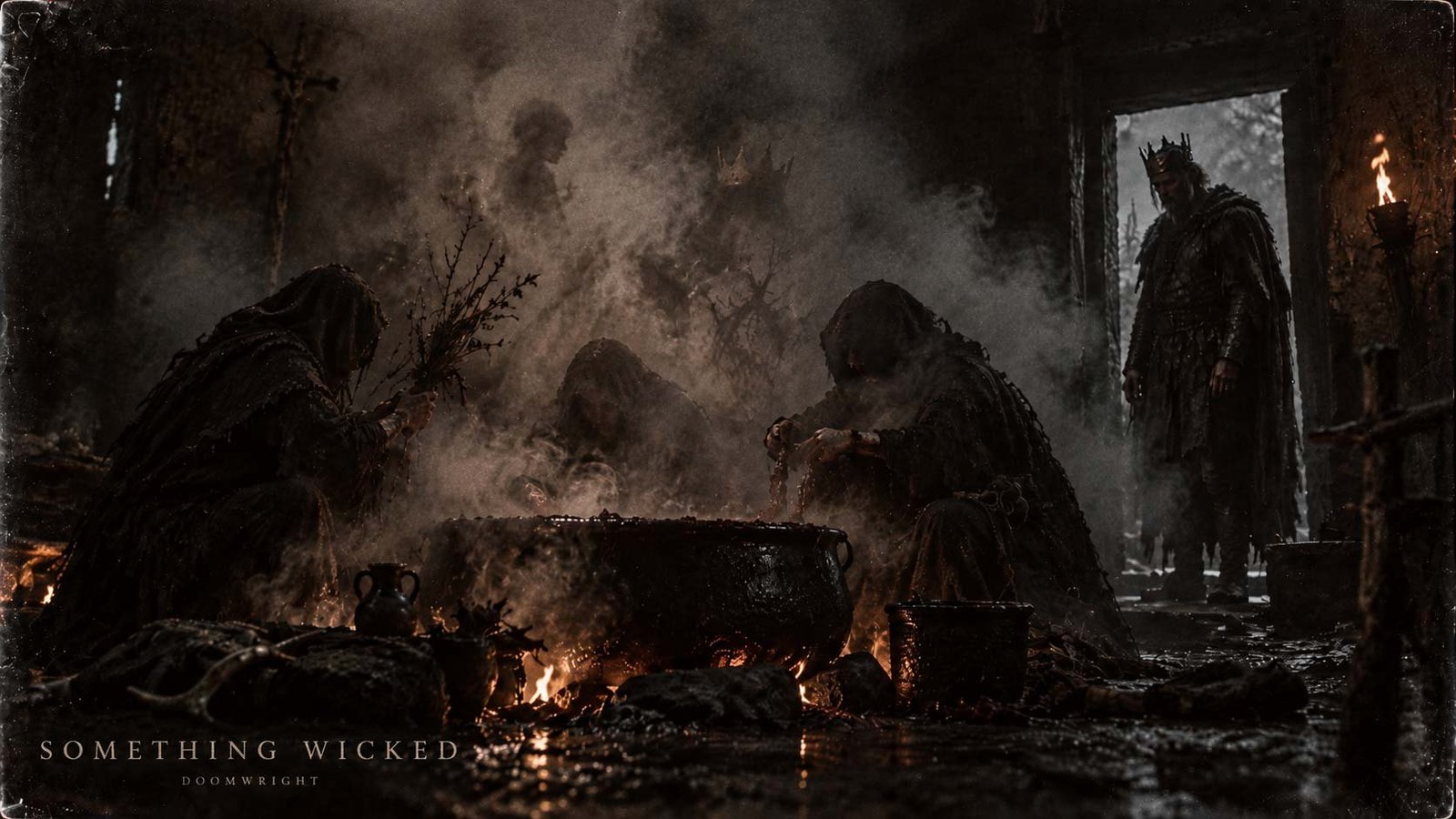
A soldier comes down off a won field and meets three shapes on the heath where no road is. They do not tempt him; they only name him — thane of Glamis, thane of Cawdor, king hereafter. The first title he already holds; the second arrives by nightfall; the third opens like a wound. When they tell Banquo that his sons will be kings and none of Macbeth's, the future is already loose in the world.
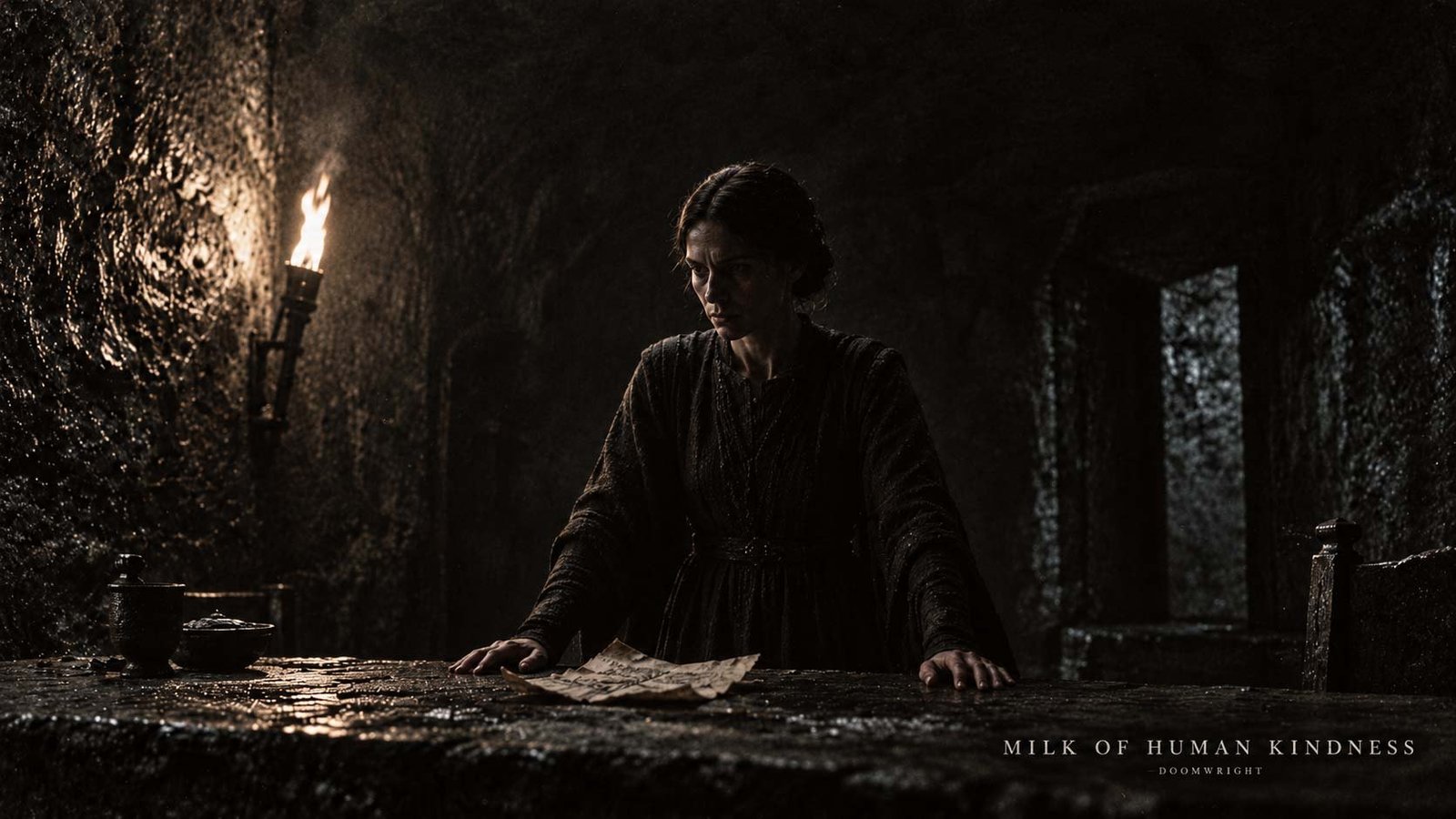
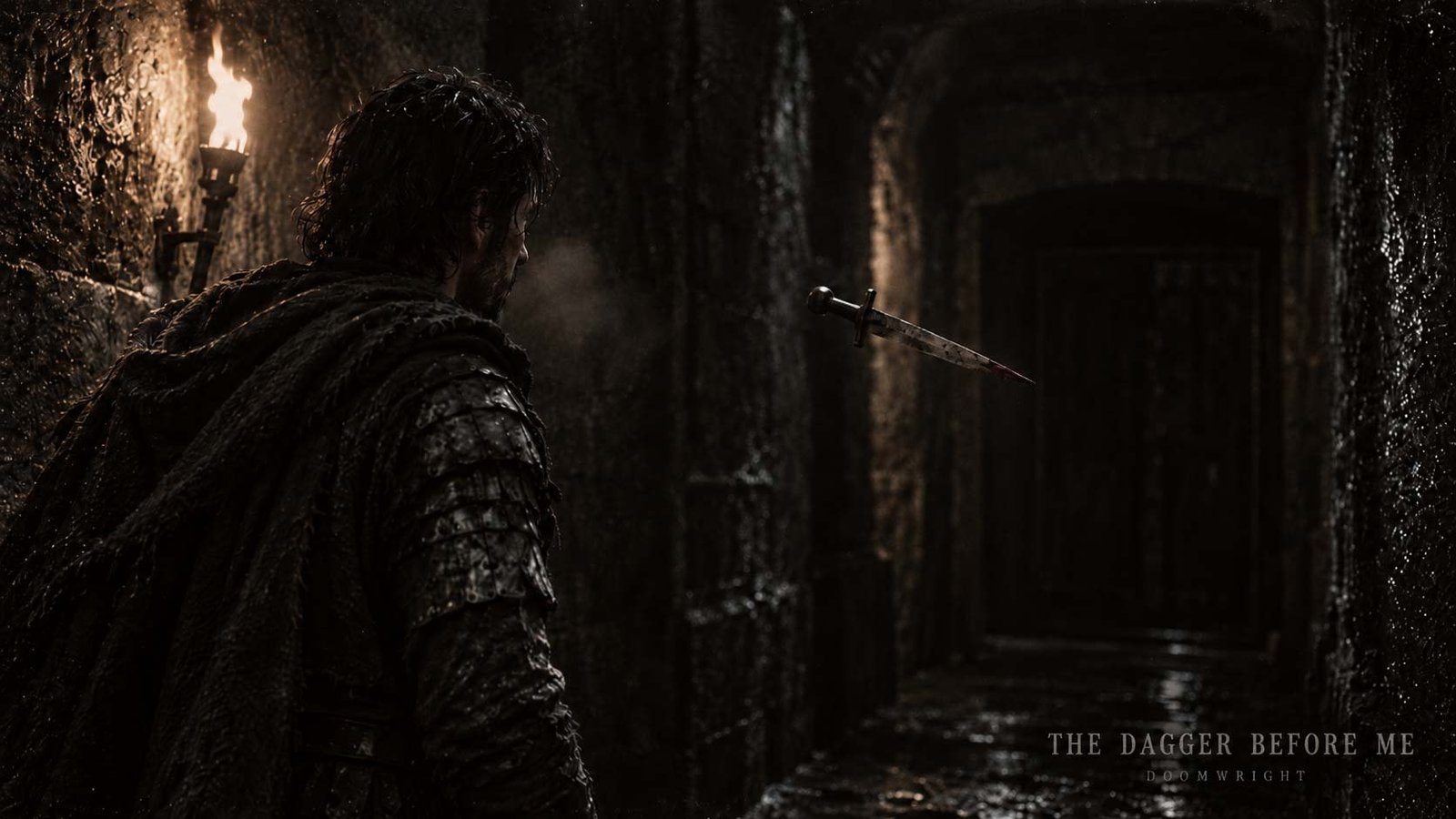
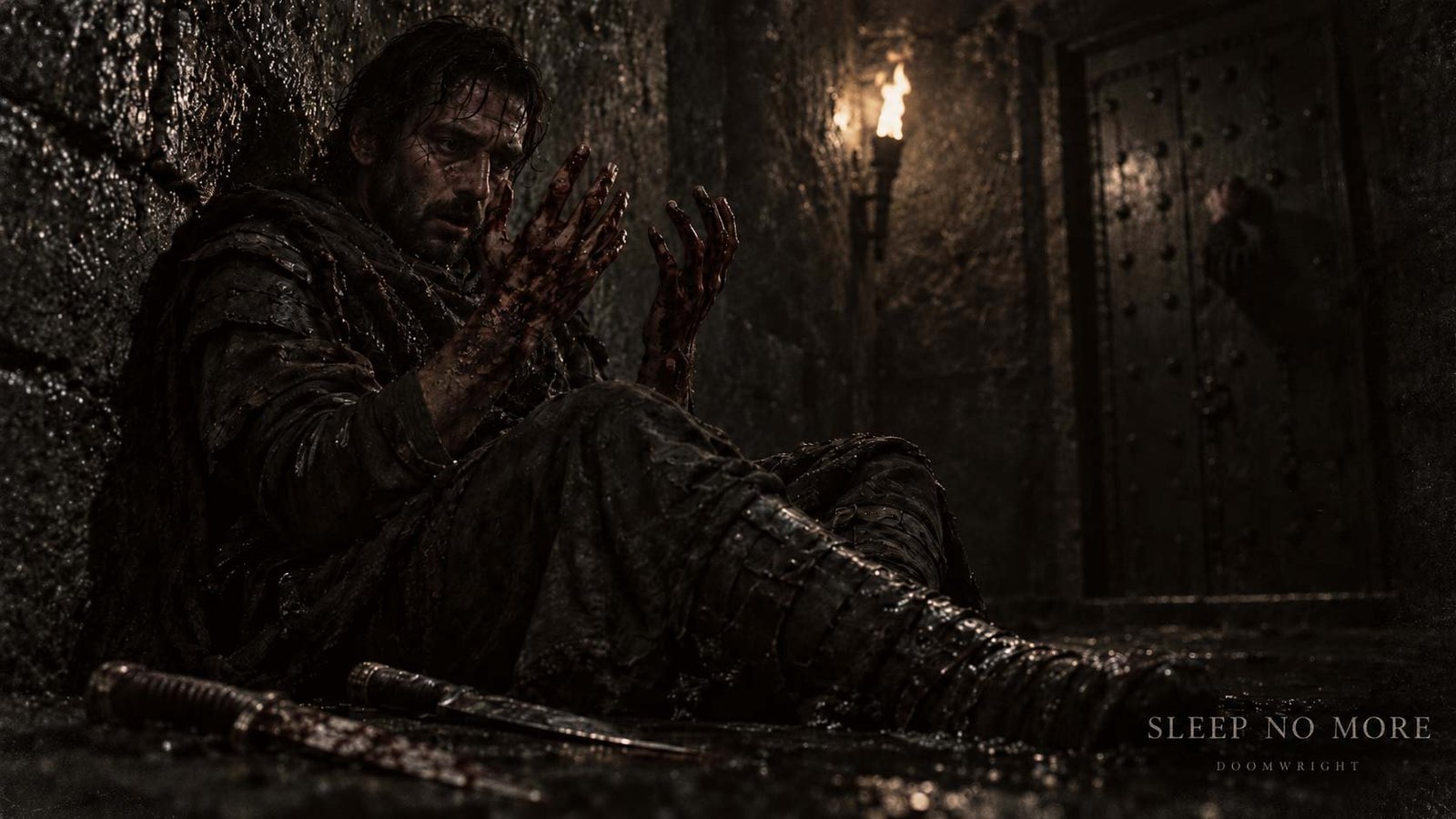
His wife reads the letter before the man arrives, and finds him too full of the milk of human kindness to take what he wants cleanly. The old king rides under their gate as a guest, and that night a dagger Macbeth cannot hold points the way he has already chosen. He goes up quiet as a thing that has done this all its life — and comes down with the wrong-coloured hands, while a voice goes up through the house: sleep no more.
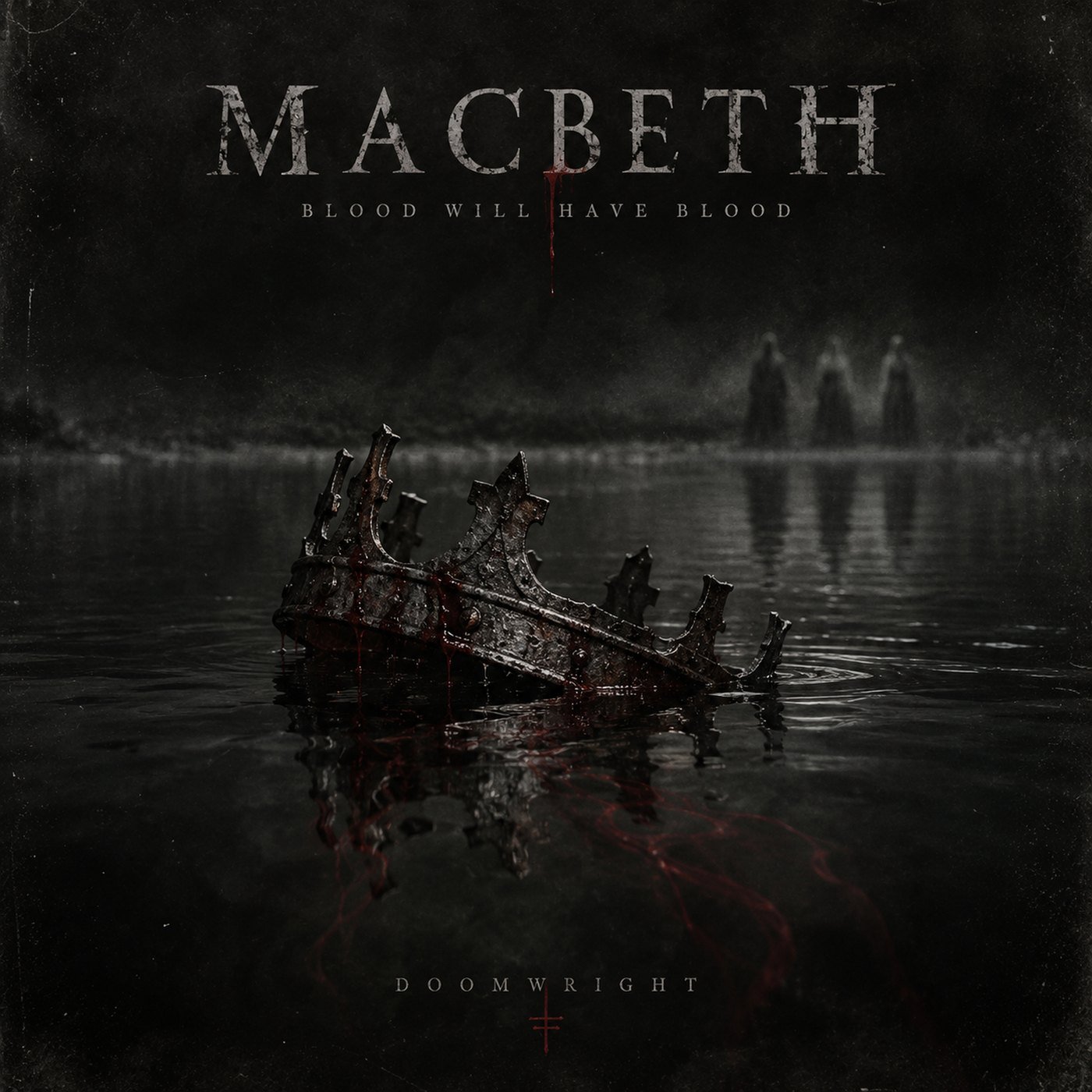
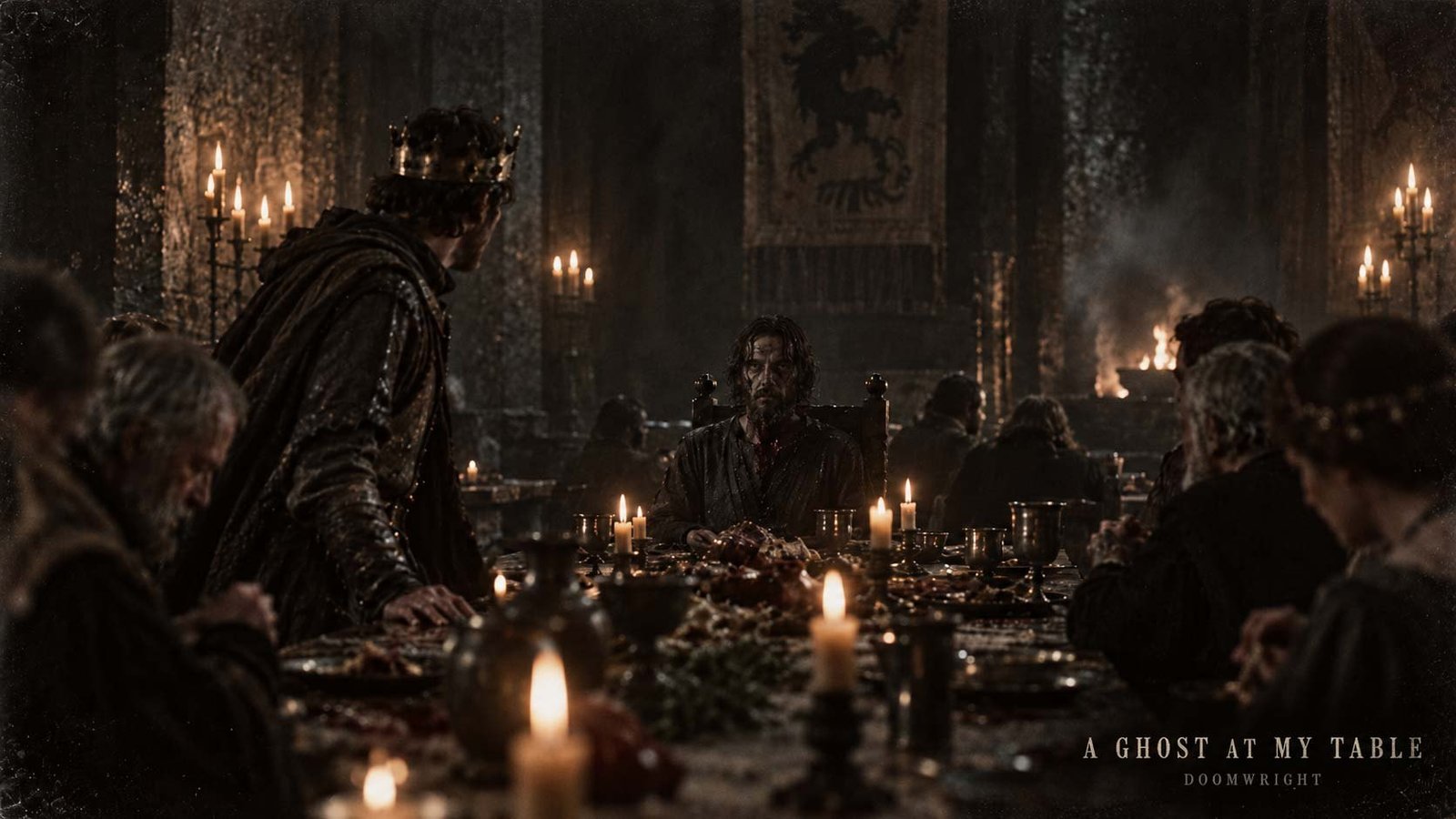
The crown does not end it; it feeds. He sends men against Banquo on the road, and the friend returns as a ghost in his own chair at his own table. He goes back to the sisters not to be warned but to be told he is safe: beware Macduff, none of woman born shall harm him, safe until Birnam wood walks to Dunsinane. He laughs, because forests do not walk — and carries their three cold notes home inside his hands.
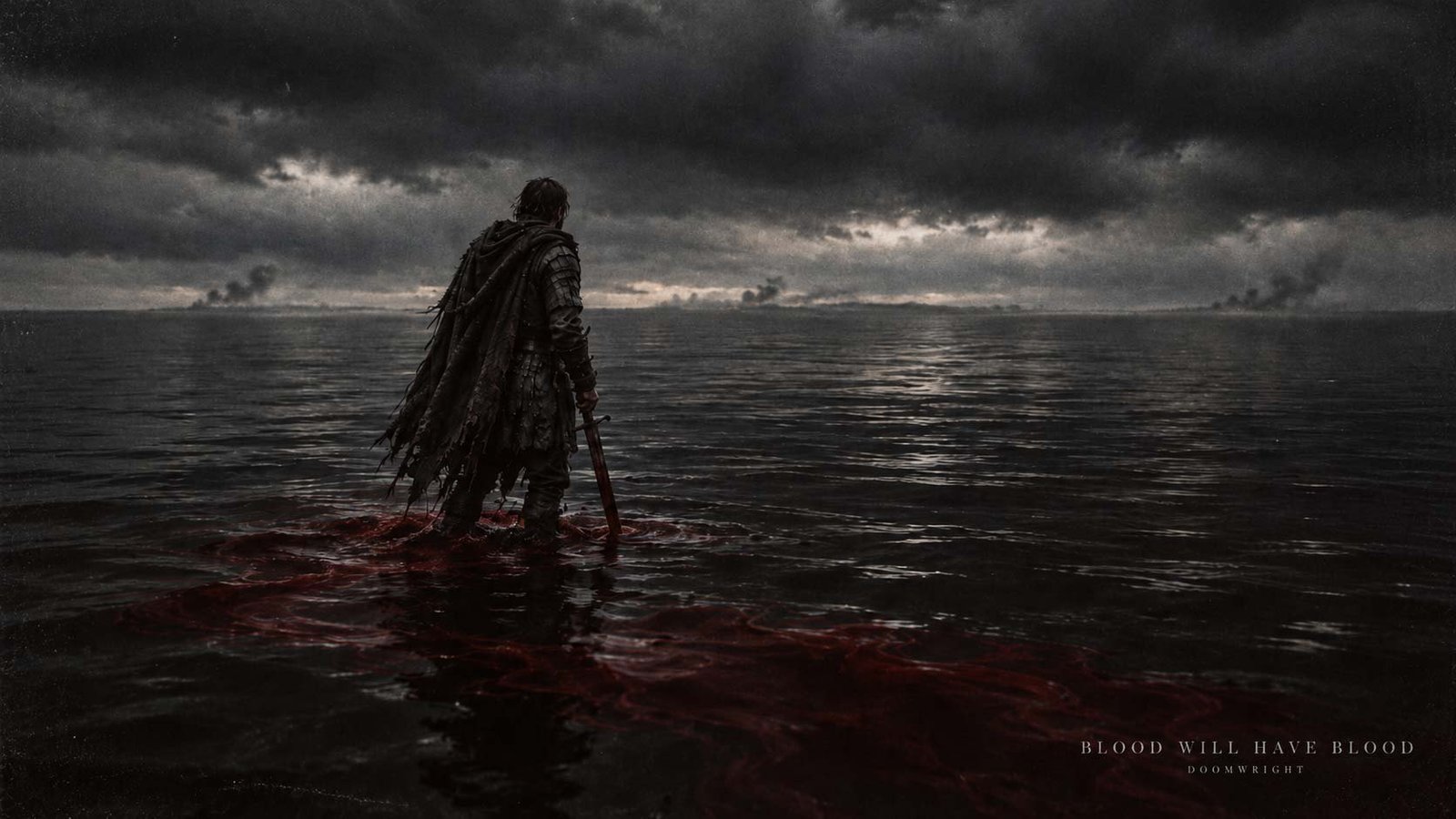
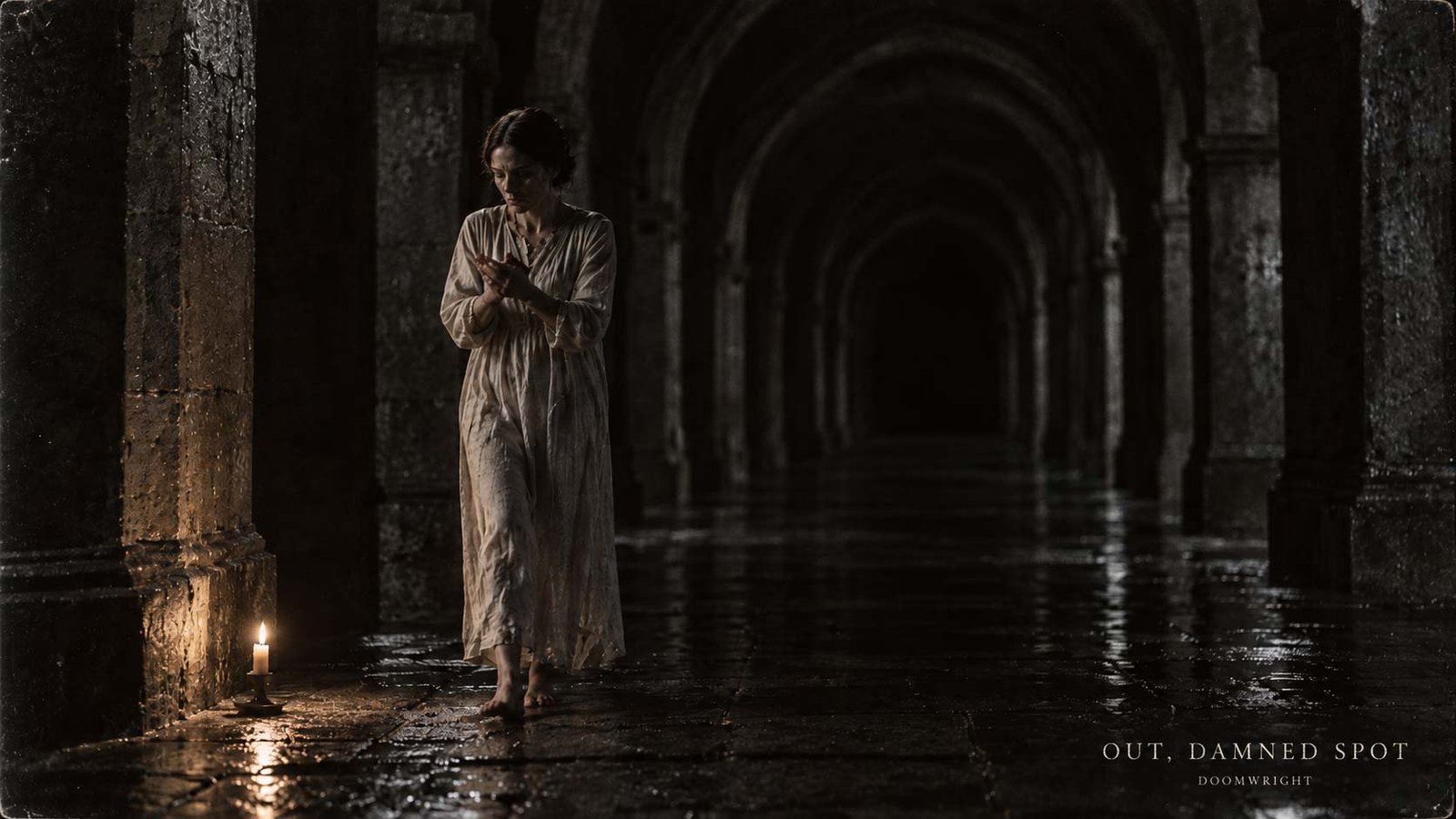
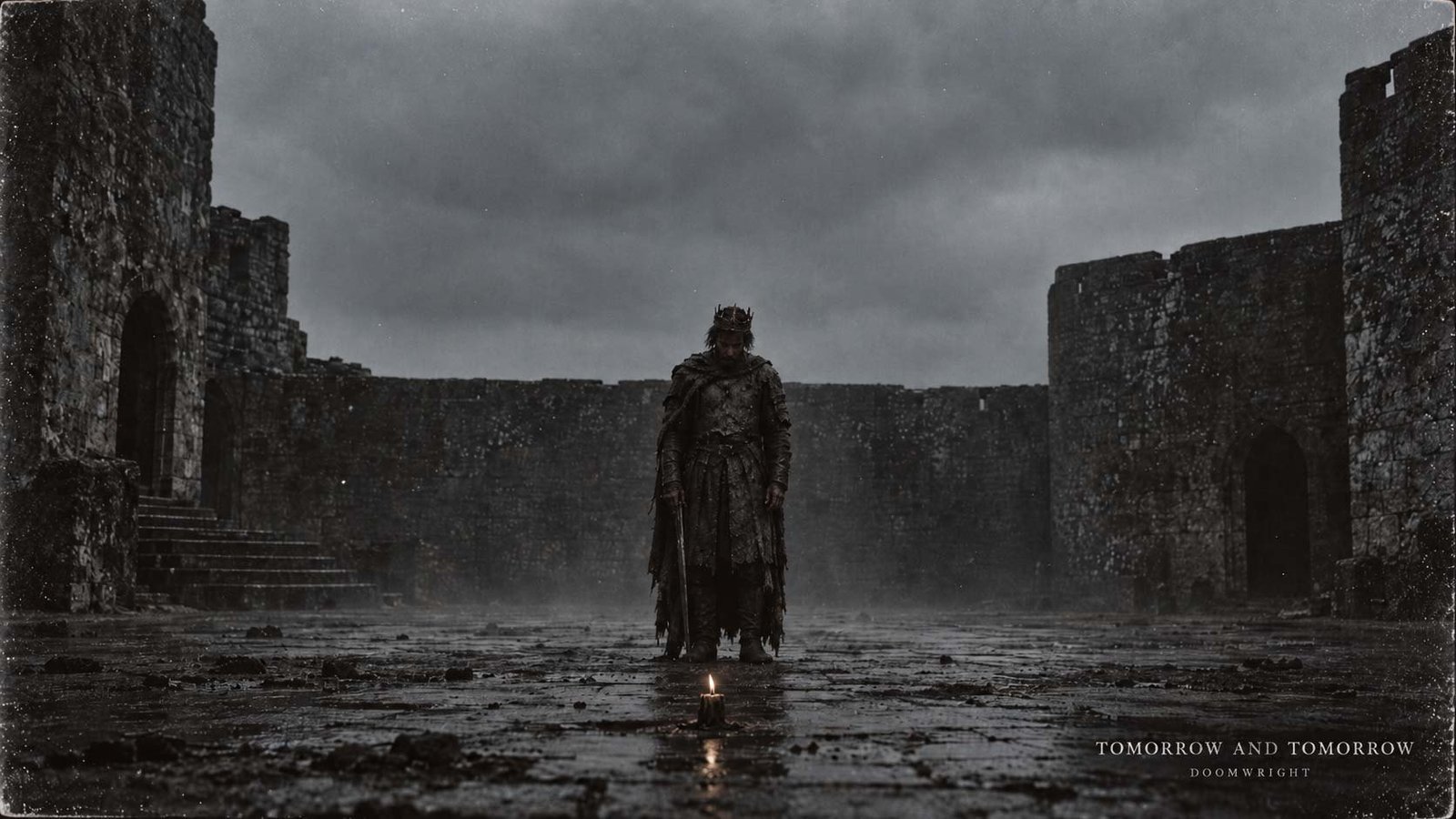
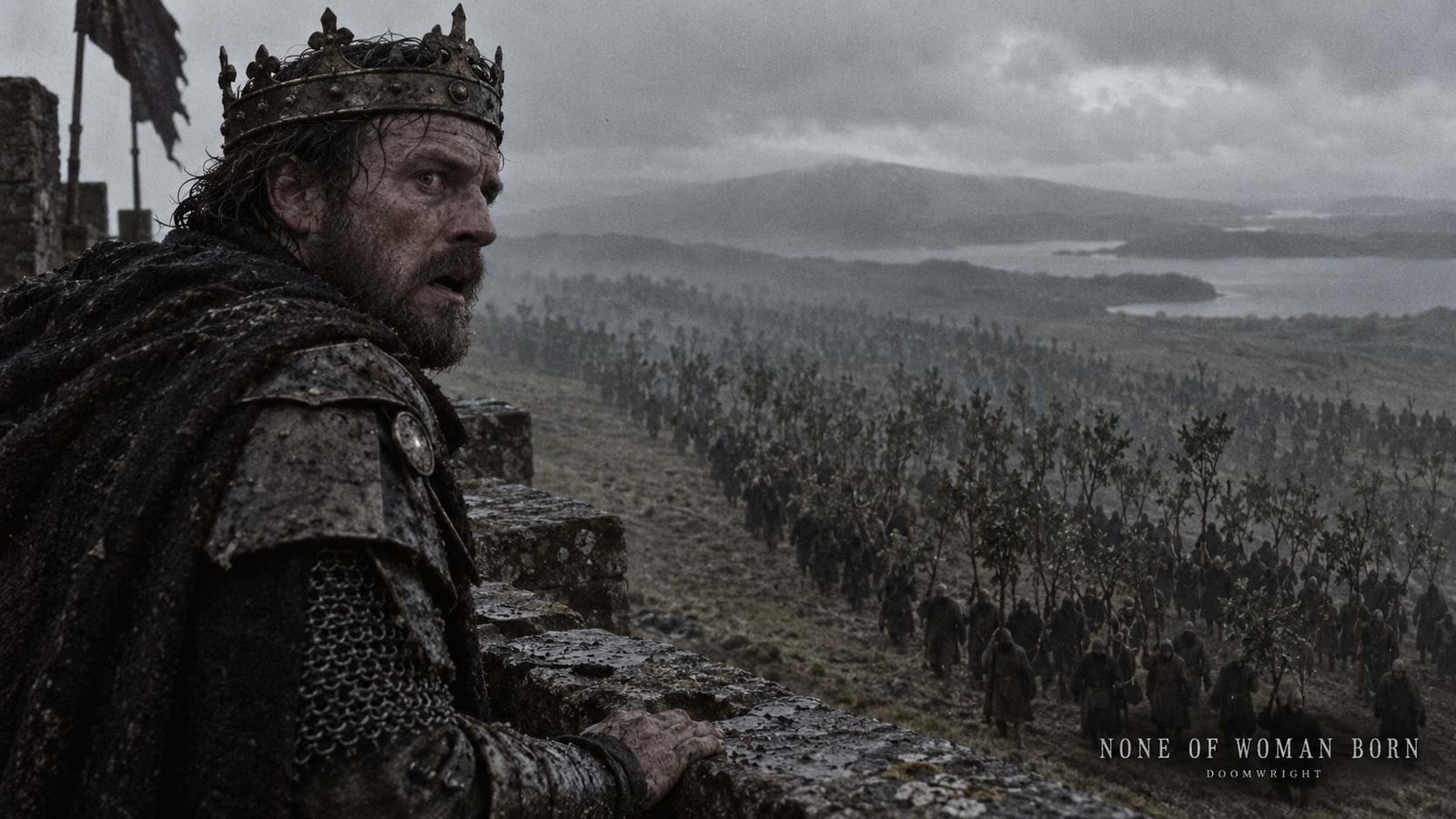
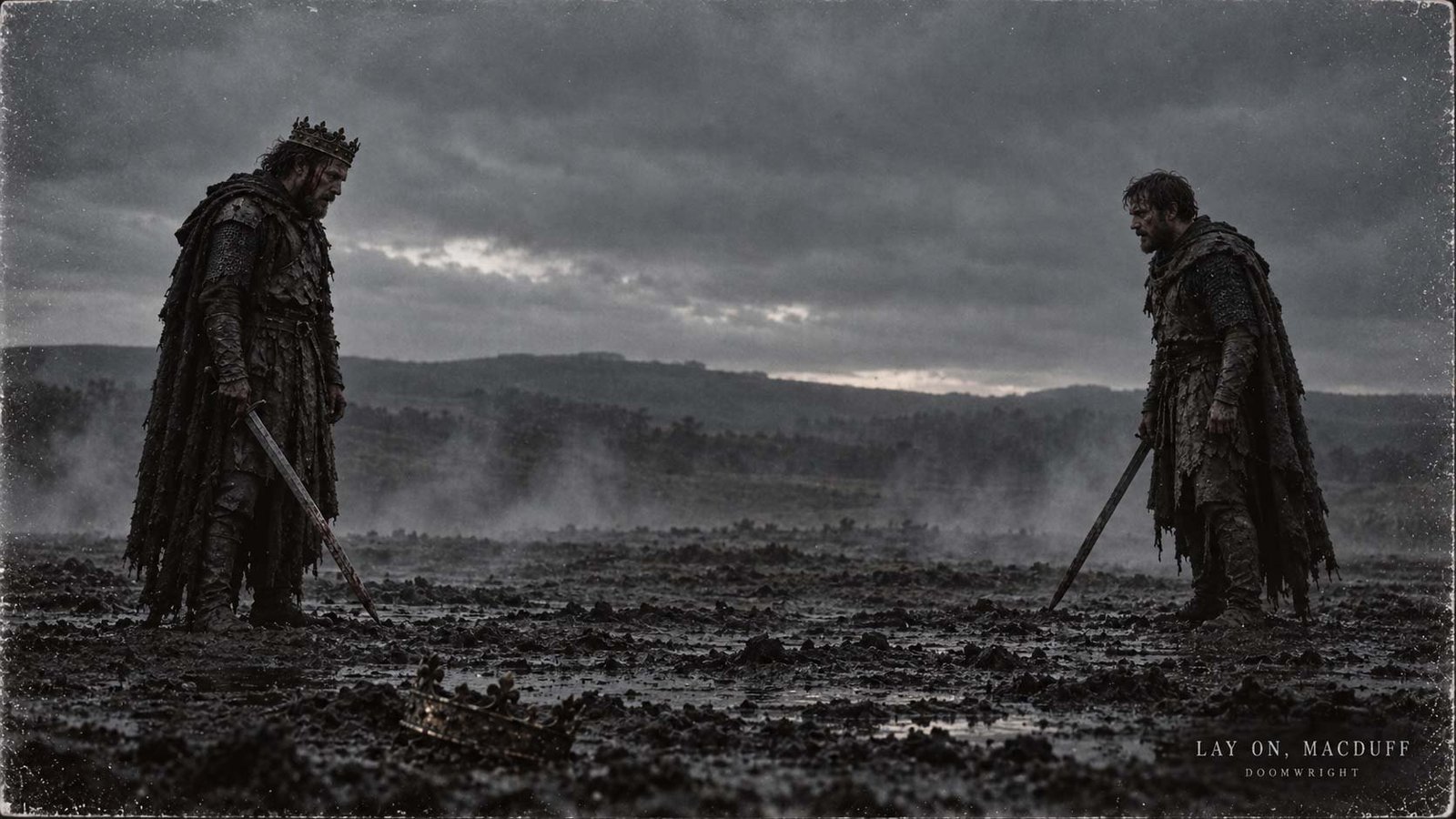
His wife walks in her sleep, scrubbing at a hand that will not come clean. Word comes that she is dead, and he finds there is no room left in him for grief — only tomorrow, and tomorrow, a tale told by an idiot, signifying nothing. Then the wood moves. Then a man not born of woman stands in the smoke, and every prophecy that armoured him turns its edge. Nothing remains but the field, and him, and the swing.
They planted nothing in him. They only spoke its name aloud — and naming made it breathe.