The Argument
The Devil comes to Moscow in the guise of a foreign professor, into a city that has declared he cannot exist. He tells an atheist editor the hour of his death, and a tram severs it exactly on time. The rational world keeps its ledgers; the irrational keeps its appointments.
His retinue turns the city inside out — a black-magic show that rains money and strips the greedy bare, an apartment that swallows its tenants, a talking cat with a pistol. Beneath the farce runs a second, older story: the Master's burned novel about Pontius Pilate, who washed his hands of an innocent man out of cowardice — the one sin the book cannot forgive.
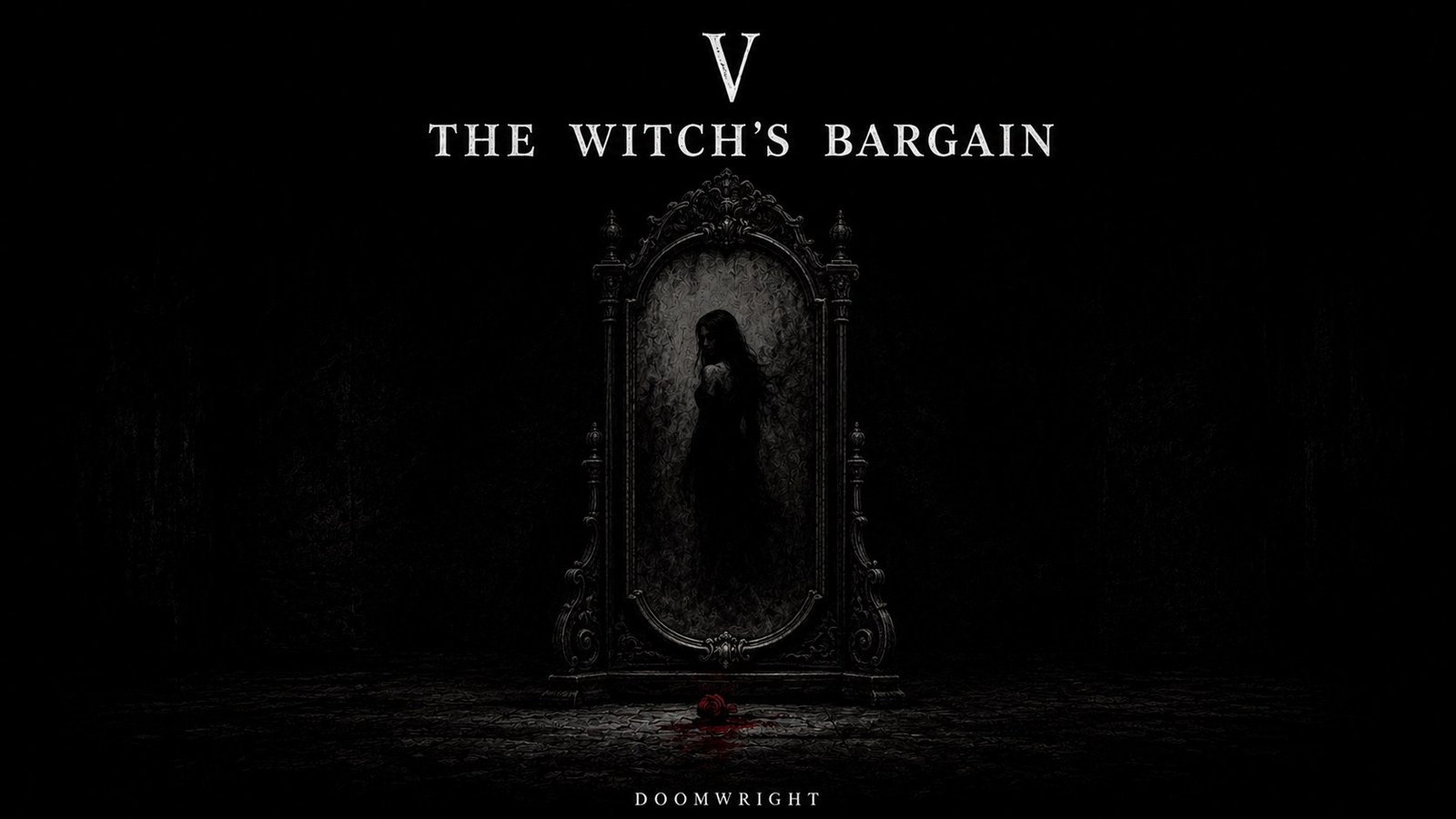
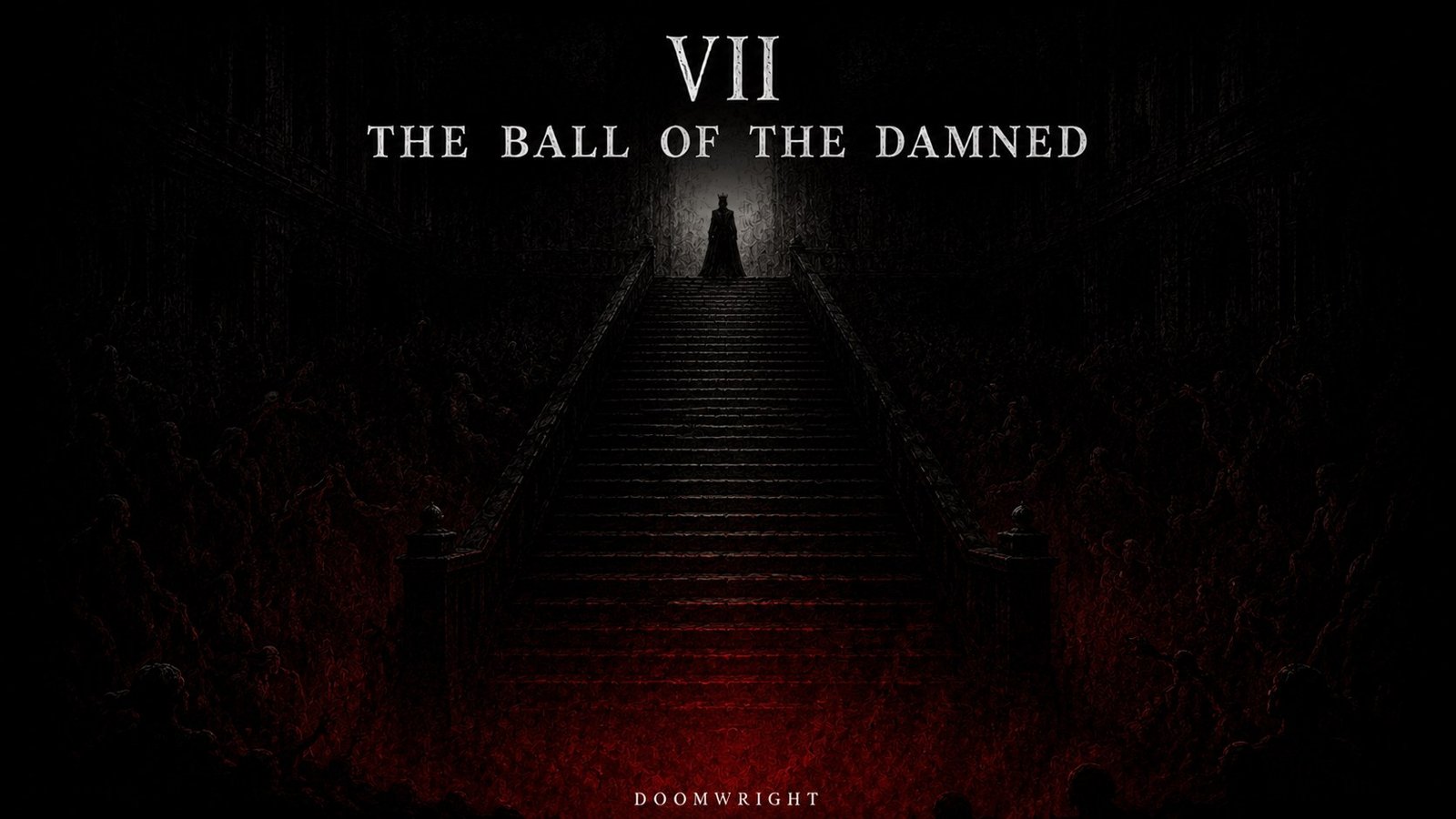
Margarita, who loves the ruined Master, trades her body and soul in a witch's bargain and flies over the city to host the Ball of the Damned, where the dead rise in her honour. For this she is granted one wish, and asks not for herself but for the Master, and for a stranger's mercy.
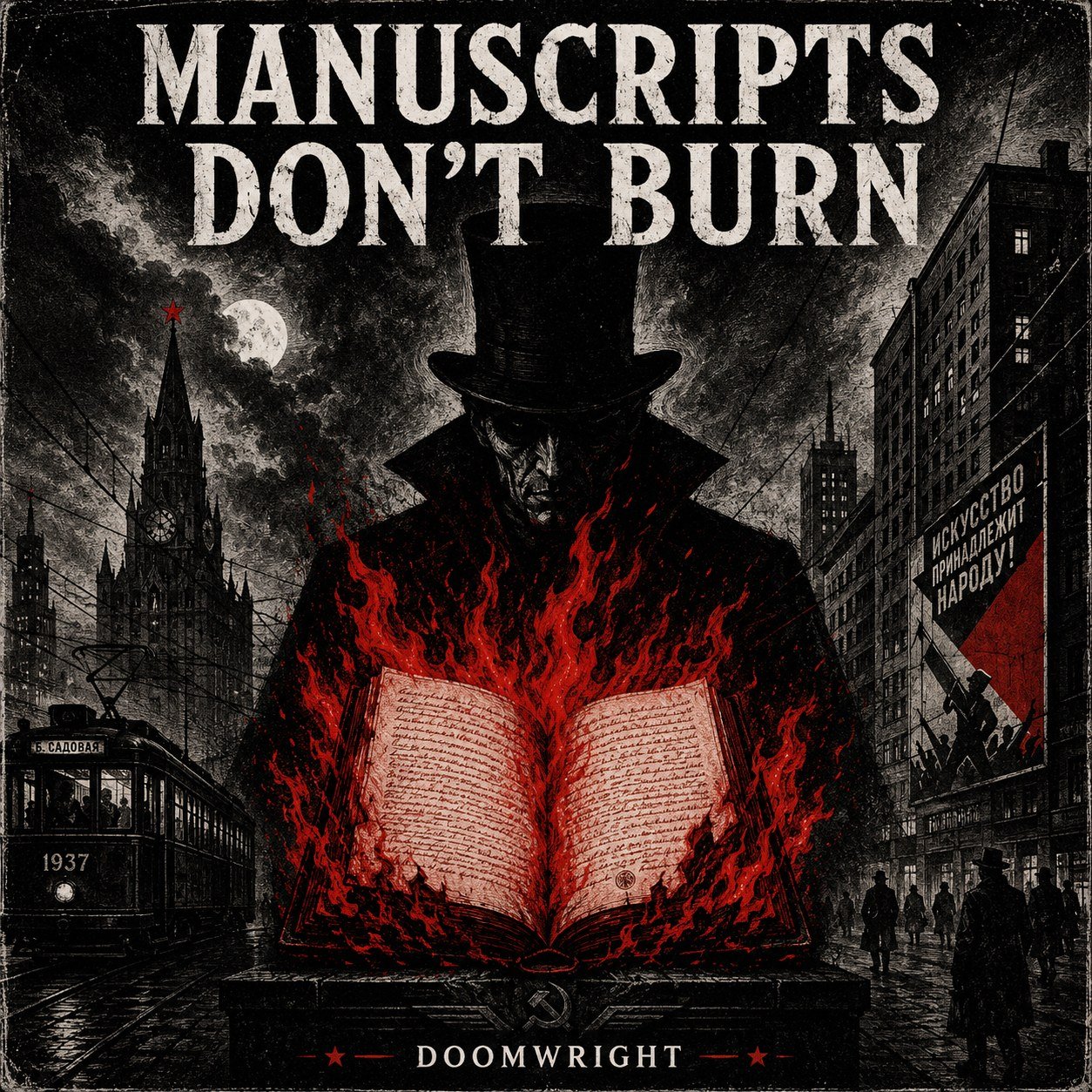
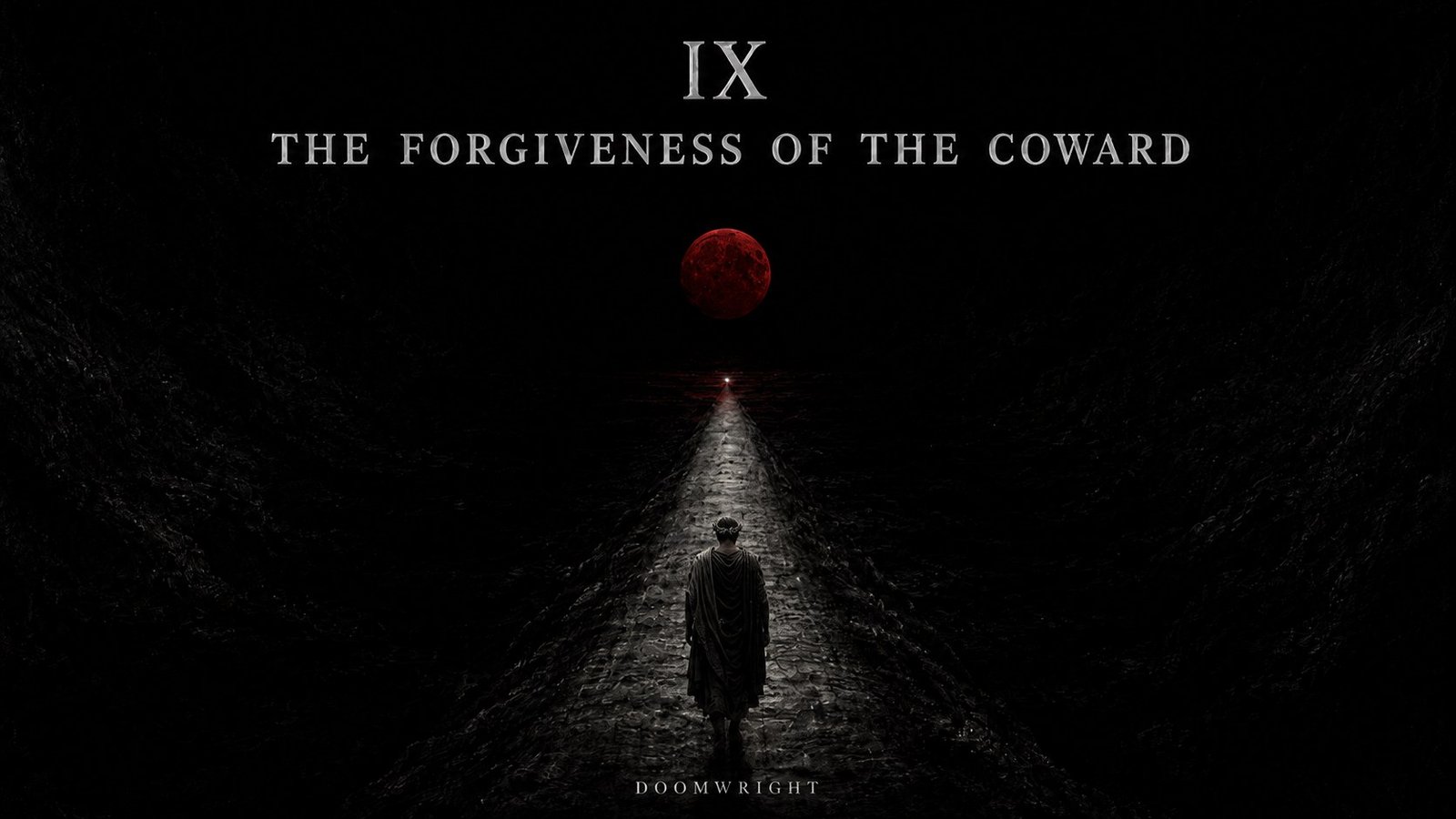
The Devil returns the manuscript from the ash, because manuscripts don't burn. The Master and Margarita are given not heaven's light but a quieter mercy — rest. And Pilate, two thousand years on his cold road, is at last forgiven, and walks the moonbeam to the man he condemned.
Cowardice is the gravest sin — and even it, in the end, is forgiven. Manuscripts don't burn.